 Photo: AdobeStock
Beauty is fully armed
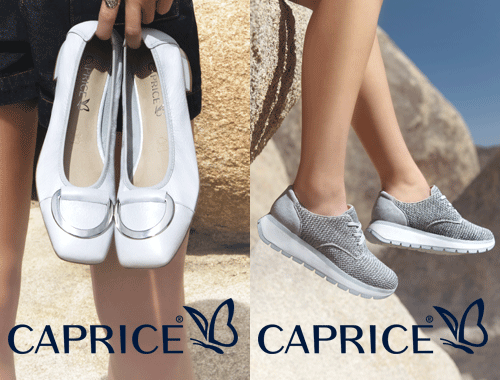
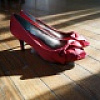
Wedge shoes - the ability to rise above the ground and at the same time stand firmly on your feet. Wedges are more comfortable than heels, some lovers of fashionable shoes think, and are beautiful in their own way. This type of shoe, which is commonly blamed for some clumsiness, has a rich history.
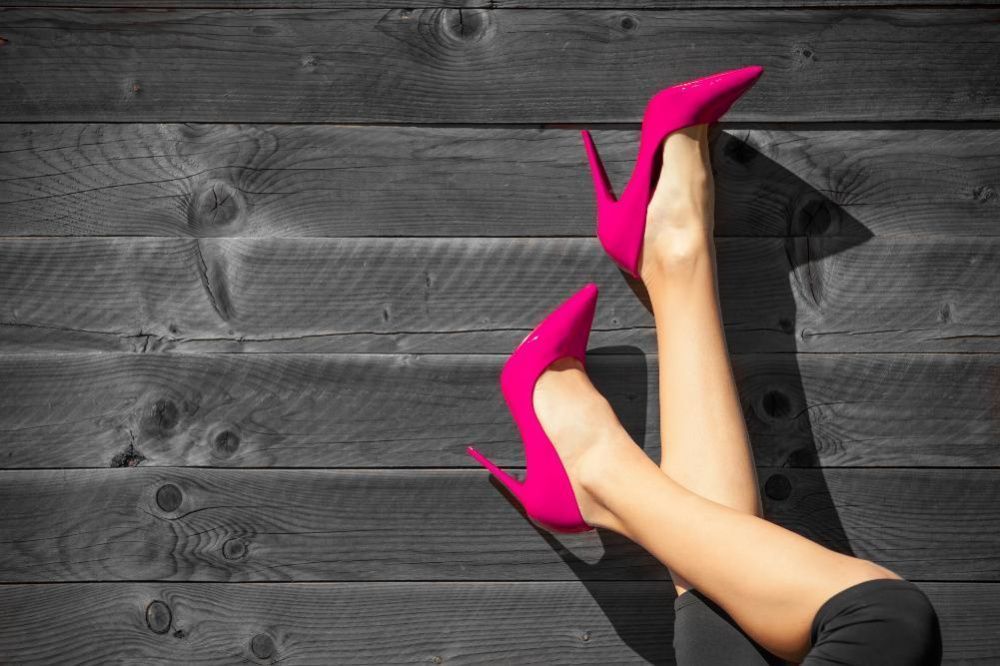
Since the inception of fashion, women have sought to wear shoes that raise them above the ground: heels make the figure more elegant, gait - graceful and eye-catching. A high thin heel has always been considered the most spectacular “support” for a girl who wants to look perfect. But besides him there are other options for high shoes - these are wedge and platform shoes. Wedges and platforms are not synonyms. The first is a sole combined with a heel: it is thin at the toe and thickens to the heel, and sometimes it has a very large "difference" in height (up to 10 centimeters or more), while the platform is just a thick sole with a uniform rise, and the foot in such shoes is located almost horizontally in relation to the ground.
As the image of heels, platform and wedges are deeply rooted in history. Their ancestors are Greek koturna heels, Venetian "socles", Japanese "geta". Koturna is the traditional shoes of dramatic actors in ancient Greece, boots on a high block without a heel, which allowed the actor to look taller and more magnificent, "socles" - shoes with high soles, in which Venetian ladies from noble houses and wealthy courtesans walked along the promenades. Geta - traditional Japanese high clogs carved from wood, in which many modern Japanese people walk with a characteristic tapping, respecting the customs of their country. High okobo sandals were also common in Japan, and a bell was sometimes cut into the thick soles of them so that young girls would walk around the town with a chime.
From the point of view of style, the wedge heel can be criticized. It is believed that it is not elegant enough, rude, heavy. It is not for nothing that its name itself has a “combat” origin, because a wedge is called a type of combat vehicle, and a shoe wedge slightly resembles the appearance of the tracked part of the tank. However, stylists are against the opinion of the clumsiness of this part of the shoe: the wedge heel can be beautiful, it can be deftly combined with different styles of clothing, it can be beautifully decorated, and due to the smooth bend it is able to compete with the stiletto and favorably emphasize the grace of the female ankle. Especially if combined with thin leather straps and decor. In the collections of famous designers there are wedges - true works of art: made of thin rods decorated with roses and resembling the cage of an exotic bird; inlaid with precious stones and painted in different artistic styles, with applications and carvings. At the same time, wedge shoes are comfortable in terms of physical parameters of socks: the leg gets tired less than in shoes with thin heels, - experienced guests of long-drawn out parties and social events are sure.
The appearance of wedges is the work of the famous Italian master Salvatore Ferragamo. And the matter was not only in the restless creative thought of the author, who, however, really was a revolutionary in fashion and invented almost all the basic models of modern shoes (he is credited with including the invention of the hairpin). In the 30 years of the last century, in the harsh years before the First World War in Italy, as throughout Europe, there was a shortage of high-quality steel that was used for military purposes. There wasn’t enough steel for the manufacture of arch support, and Ferragamo began to have problems with the quality of high-heeled shoes: they quickly deteriorated, the heels were loosened, and the clients were unhappy. Then the idea occurred to the master to fill the space between the heel and the toe of the shoes with a cork tree. So a new type of shoe appeared - a simple and inexpensive cork shape instead of a complex sole with a hairpin and plastic straps instead of a traditional leather upper. At first, the wedge heap was perplexed, and rumor even ascribes to one of Ferragamo's clients an exclamation: “I will never wear this!”, Which burst out when she saw shoes that were exotic at that time.
Around the same period, the famous French shoe maker Roger Vivier experimented with a wedge and platform, who came up with this idea on his own, inspired by American orthopedic shoes. His platform shoes were not always appreciated, but nothing could stop progress: brave personalities from the fashion world, such as avant-garde designer Elsa Schiaparelli, quickly “took the mark”. Schiaparelli included wedge shoes with a cork platform made by Vivier in her collection, and the fashion flywheel gradually unwound. Celebrities began to wear a wedge heel: for example, for the Hollywood actress Ava Gardner Ferragamo made personalized platform sandals Ava. He also created the famous model of suede wedge shoes WEDGE (large black and white striped wedge heels) specially for Peggy Guggenheim, founder of the New York Guggenheim Museum. Peggy was a gallery owner who appreciated the avant-garde, and at the same time a recognized socialite, who hosted the most popular receptions and parties in the art environment. The Brazilian actress and singer Carmen Miranda (who enjoyed great success in Hollywood in the 1940s) was also an advocate of wedge sandals, and her shoes fit well into the exotic Latin American style. Carmen most often appeared in public as a passionate beauty in a bright ethnic dress and an intricate headdress like a fruit basket. The actress wedge fit also because she had a very small stature - 155 centimeters. “The platform should be registered on the shelves of the most fashionable stores,” representatives of the Dior house declared in the press. - Firstly, she makes taller women taller, and at the same time, ladies risk their health much less than shoes with ordinary heels. Secondly, in combination with a dress or skirt of medium length, platform shoes with thin lace on the ankle make the image more feminine. ”
If in the 30-e years worn fashionable ladies wore wedge shoes as a fashion accessory, then during the war shoes with cork wedges with a top made of durable fabric became widespread among the general public, as leather and metal became scarce materials. Such shoes were practical and comfortable to wear, strong and durable. But we are talking, of course, about simple models, without fashionable frills. In the 70-s of the 20 century, interest in wedges began to return: it turned into an alternative to classic shoes and stilettos, which was chosen by fashionable, always slightly protest and experimental-inclined young people. The wedges were worn by hippies, bohemians, and representatives of the New Age trend. Wedge-heeled shoes were then made of durable buffalo leather, which darkened over time, which gave the shoes a stylishly aged look. The sole and heels were made not only from cork, but also from more expensive wood, as well as from synthetic materials and rubber. In the 80-s of the twentieth century, the wedge heels rose to the peak of ethnic fashion: “espadrilles” sandals with wedges made of rope or imitating rubber, with cotton or other natural fabrics like linen or canvas became popular. The ancestor of this shoe is light espadrilles summer cloth slippers, in which the Spaniards and French walked barefoot during the heat. Yves Saint Laurent secured the industrial fate of the espadrilles by ordering the Spanish shoe factory Castaner in the 1960 years, which has been manufacturing this traditional peasant shoe, heeled espadrilles since the 18 century. This saved the factory from bankruptcy: by that time there were no more markets for traditional shoes. Wedge sandals called "espadrilles", of course, are far from the historical prototype, but they fit perfectly into the ethno-style. Such shoes were made in muted colors - yellow, reddish, brown. It was fashionable to wear espadrilles with a huge number of thin straps around the ankle. Romantic fashionistas, bohemians, and artistic circles wore espadrilles with long flying dresses and wide skirts on the floor.
In the 21st century, the wedge heel was again at its height and in a strong marriage with the platform. Wedge and platform shoes and sandals have been regulars on the catwalks for the past few years. Shoe designers have also introduced ankle boots, boots and even wedge sneakers into fashion. For such fashion brands as Alexander McQueen, Anna Sui, Burberry Prorsum, Versace, Prada, Valentino, Emilio Pucci, wedge shoes are a must in their collections. The wedge heel becomes a field for experiments in terms of decor, since it provides all the possibilities for this thanks to its vast area. Dolce & Gabbana in the 2013 collection presents wedges, hand-decorated in the Sicilian style, with appliqués in the form of flowers, variegated juicy shades, catchy and recklessly luxurious. Hollywood stars wear wedge sandals with graceful leather straps even for special events and receptions, and at leisure they can be seen in wedge sneakers, which they relaxedly combine not only with jeans and shorts, but also with long elegant dresses.
In Russia, wedge shoes for the winter season have gained particular popularity: in high and at the same time stable shoes, you can walk along untidy sidewalks with relative comfort, overcome puddles and dirt of domestic roads, and at the same time not be too far behind fashion. Well, a modern wedge heel is good, like any hybrid made with the mind, the combination of a heel and a platform creates comfortable and elegant shoes at the same time.
Shoes mixed with clothing and decor

Online fitting rooms and 3D avatars have already become a reality. What's next?
Shoe educational program: what shoe soles are made of
Membrane: legs warm, dry, comfortable. About the features of membrane baby shoes
"Italy in Hollywood", an exhibition opened at the Salvatore Ferragamo Museum in Florence

 Coach turned to Big Data analysis and won the interest of a young audience
American handbag brand Coach has planned the success of its Tabby model among a younger audience, Generation Z, by turning to big data analysis, abandoning traditional and analogue tools, such as human intuition or the ability of any executive to sense “which way the wind will blow,” writes B.O.F.
Coach turned to Big Data analysis and won the interest of a young audience
American handbag brand Coach has planned the success of its Tabby model among a younger audience, Generation Z, by turning to big data analysis, abandoning traditional and analogue tools, such as human intuition or the ability of any executive to sense “which way the wind will blow,” writes B.O.F.
 IDOL updates the concept
The IDOL brand, part of the Melon Fashion Group portfolio, opened the first flagship in an updated concept in the Aviapark shopping center in Moscow.
IDOL updates the concept
The IDOL brand, part of the Melon Fashion Group portfolio, opened the first flagship in an updated concept in the Aviapark shopping center in Moscow.
 Seven “sins” of the shoe business. How do owners harm the company with their own hands?
Why is Company X able to create a strong, profitable brand, but Company Y is struggling to make ends meet? Many people prefer to attribute success to luck, luck, or the support of strong patrons. And few people ask themselves the question: “What am I doing wrong?” Moreover, many entrepreneurs begin to harm their business from the first day of its opening. In this article, together with SR expert in the field of fashion business management and development, Maria Gerasimenko, we will look at the 7 main “sins” that business owners commit using specific examples.
Seven “sins” of the shoe business. How do owners harm the company with their own hands?
Why is Company X able to create a strong, profitable brand, but Company Y is struggling to make ends meet? Many people prefer to attribute success to luck, luck, or the support of strong patrons. And few people ask themselves the question: “What am I doing wrong?” Moreover, many entrepreneurs begin to harm their business from the first day of its opening. In this article, together with SR expert in the field of fashion business management and development, Maria Gerasimenko, we will look at the 7 main “sins” that business owners commit using specific examples.
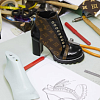 Louis Vuitton opens a new factory in Italy
Louis Vuitton has opened its second shoe factory in Italy. After opening the first one in Fiesso d'Artico in Veneto, the LVMH flagship brand has just opened a new production site dedicated to this category of footwear in the industrial zone of Civitano in the Marche region. There is also another brand production facility in Tuscany, where bags and leather accessories are produced, writes fr.fashionnetwork.com.
Louis Vuitton opens a new factory in Italy
Louis Vuitton has opened its second shoe factory in Italy. After opening the first one in Fiesso d'Artico in Veneto, the LVMH flagship brand has just opened a new production site dedicated to this category of footwear in the industrial zone of Civitano in the Marche region. There is also another brand production facility in Tuscany, where bags and leather accessories are produced, writes fr.fashionnetwork.com.
 The Euro Shoes@CAF exhibition will be held in Almaty
From March 11 to 13, the Euro Shoes@CAF (Central Asia Fashion) exhibition will be held in Almaty at the Atakent exhibition complex. The exhibition, which is the largest international event in the fashion industry in Central Asia, will present collections of clothing, shoes and accessories.
The Euro Shoes@CAF exhibition will be held in Almaty
From March 11 to 13, the Euro Shoes@CAF (Central Asia Fashion) exhibition will be held in Almaty at the Atakent exhibition complex. The exhibition, which is the largest international event in the fashion industry in Central Asia, will present collections of clothing, shoes and accessories.
 Euro Shoes will start operating on February 19 in Moscow!
The winter session of the international exhibition of footwear and accessories Euro Shoes premiere collection will be held in Moscow at the Expocenter from February 19 to 22. The organizers promise the presence of all the main participants at the exhibition, as well as new names from Europe, Asia and Russia.
Euro Shoes will start operating on February 19 in Moscow!
The winter session of the international exhibition of footwear and accessories Euro Shoes premiere collection will be held in Moscow at the Expocenter from February 19 to 22. The organizers promise the presence of all the main participants at the exhibition, as well as new names from Europe, Asia and Russia.
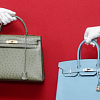 American buyers couldn't buy Birkin bags and sued Hermès
French fashion house Hermès is facing a lawsuit in California from two customers who were unable to purchase exclusive Birkin bags. The fashion house is accused of unfair commercial practices.
American buyers couldn't buy Birkin bags and sued Hermès
French fashion house Hermès is facing a lawsuit in California from two customers who were unable to purchase exclusive Birkin bags. The fashion house is accused of unfair commercial practices.
 Why Rendez-Vous and Yandex Lavka released a “bread bag”
Shoe retailer Rendez-Vous announced the launch of a spring collaboration with Yandex Lavka and released a roll that resembles the shape of a woman’s handbag. This “Bread Bag” is presented in the Yandex.Lavka application at a price of 249 rubles. On the product packaging there is a promotional code for 1000 rubles, which can be spent in the Rendez-Vous network.
Why Rendez-Vous and Yandex Lavka released a “bread bag”
Shoe retailer Rendez-Vous announced the launch of a spring collaboration with Yandex Lavka and released a roll that resembles the shape of a woman’s handbag. This “Bread Bag” is presented in the Yandex.Lavka application at a price of 249 rubles. On the product packaging there is a promotional code for 1000 rubles, which can be spent in the Rendez-Vous network.
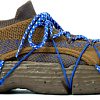 Camper has released innovative sneakers - designers
Spanish brand Camper's new Roku sneaker features six interchangeable components to create up to 64 different looks and color combinations. Roku means "six" in Japanese.
Camper has released innovative sneakers - designers
Spanish brand Camper's new Roku sneaker features six interchangeable components to create up to 64 different looks and color combinations. Roku means "six" in Japanese.
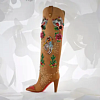 Christian Louboutin presented a collection in a cowboy style
At the Loubi Show in Paris, the French luxury brand Christian Louboutin presented its fall 2024 collection, following the trend - in the style of the Wild West. It included cowboy boots and rhinestone loafers.
Christian Louboutin presented a collection in a cowboy style
At the Loubi Show in Paris, the French luxury brand Christian Louboutin presented its fall 2024 collection, following the trend - in the style of the Wild West. It included cowboy boots and rhinestone loafers.
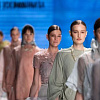 Fashion Week takes place in Moscow
Fashion Week takes place in the Russian capital. Events include fashion shows, markets where you can purchase clothes, bags and accessories, and a B2B Showroom for fashion industry professionals.
Fashion Week takes place in Moscow
Fashion Week takes place in the Russian capital. Events include fashion shows, markets where you can purchase clothes, bags and accessories, and a B2B Showroom for fashion industry professionals.
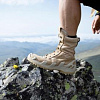 Turkish brand Vaneda on Euro Shoes
Street style, sport, outdoor, military – the main style directions of footwear of the company from Turkey
Turkish brand Vaneda on Euro Shoes
Street style, sport, outdoor, military – the main style directions of footwear of the company from Turkey
 Kari accuses Zenden of unfair competition and is suing the FAS
The largest Russian shoe chain, Kari, appealed to the Moscow Arbitration Court to declare the actions of the Federal Antimonopoly Service (FAS) illegal, writes RBC.
Kari accuses Zenden of unfair competition and is suing the FAS
The largest Russian shoe chain, Kari, appealed to the Moscow Arbitration Court to declare the actions of the Federal Antimonopoly Service (FAS) illegal, writes RBC.
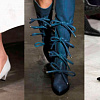 Fashion trends Fall-Winter 2023/24 for commercial footwear purchases
Permanent contributor to Shoes Report. Elena Vinogradova, an expert in sales and purchases in the fashion business, prepared an overview of the trends for the autumn-winter 2023/24 season especially for us.
Fashion trends Fall-Winter 2023/24 for commercial footwear purchases
Permanent contributor to Shoes Report. Elena Vinogradova, an expert in sales and purchases in the fashion business, prepared an overview of the trends for the autumn-winter 2023/24 season especially for us.
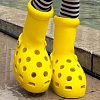 MSCHF and Crocs launch "Big Yellow Boots"
Creator of the Big Red Boots, Brooklyn brand MSCHF has teamed up with American plastic clog and sandal brand Crocs for another oversized shoe. The new Big Yellow Boots will go on sale on August 9th.
MSCHF and Crocs launch "Big Yellow Boots"
Creator of the Big Red Boots, Brooklyn brand MSCHF has teamed up with American plastic clog and sandal brand Crocs for another oversized shoe. The new Big Yellow Boots will go on sale on August 9th.
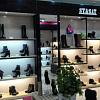 Five rules of professional lighting for a shoe store - something that is relevant in any season
When developing a lighting concept for shoe retailers, it is important to take into account not only the history of the brand, the architectural content of the premises, the target audience of the stores, but also the seasonality of the goods. With the onset of the cold season, client preferences change: bright weightless shoes are replaced by more massive models in discreet dark colors. Despite significant differences in summer and winter collections, the overall philosophy of the brand, its recognition should remain unchanged at any time of the year. Tatyana Ryzhova, an SR lighting expert in fashion retail, has identified five basic rules for a competent lighting concept for a shoe store for readers of the magazine, which will help to present winter assortment to customers in a winning way.
Five rules of professional lighting for a shoe store - something that is relevant in any season
When developing a lighting concept for shoe retailers, it is important to take into account not only the history of the brand, the architectural content of the premises, the target audience of the stores, but also the seasonality of the goods. With the onset of the cold season, client preferences change: bright weightless shoes are replaced by more massive models in discreet dark colors. Despite significant differences in summer and winter collections, the overall philosophy of the brand, its recognition should remain unchanged at any time of the year. Tatyana Ryzhova, an SR lighting expert in fashion retail, has identified five basic rules for a competent lighting concept for a shoe store for readers of the magazine, which will help to present winter assortment to customers in a winning way.
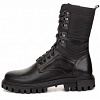 Bertsy: what to look for when choosing a model
Bertsy and tactical boots are becoming more and more relevant footwear, and not only because of the start of the hunting season. In Russia, there are several dozen enterprises producing this type of footwear. Oleg Tereshin, Deputy Chief Technologist of ZENDEN, told Shoes Report about the differences and features of ankle boots and what you should pay attention to when buying them in specialized retail and online.
Bertsy: what to look for when choosing a model
Bertsy and tactical boots are becoming more and more relevant footwear, and not only because of the start of the hunting season. In Russia, there are several dozen enterprises producing this type of footwear. Oleg Tereshin, Deputy Chief Technologist of ZENDEN, told Shoes Report about the differences and features of ankle boots and what you should pay attention to when buying them in specialized retail and online.
 I doubt and object: how to find an approach to difficult clients?
How good and serene would be the work of a salesperson if the customers were calm, cheerful, always knew exactly what they wanted, and bought, bought, bought! It is a pity that this is possible only in dreams. Therefore, we will not dream, but we will act. Together with Maria Gerasimenko, a permanent author of SR, we understand the doubts and objections of buyers and build a strategy for working with them. Our expert pays special attention to the two main objections of buyers, on which 82% of sales are lost.
I doubt and object: how to find an approach to difficult clients?
How good and serene would be the work of a salesperson if the customers were calm, cheerful, always knew exactly what they wanted, and bought, bought, bought! It is a pity that this is possible only in dreams. Therefore, we will not dream, but we will act. Together with Maria Gerasimenko, a permanent author of SR, we understand the doubts and objections of buyers and build a strategy for working with them. Our expert pays special attention to the two main objections of buyers, on which 82% of sales are lost.
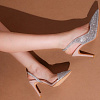 EURO SHOES presents an updated section of the GLOBAL SHOES exhibition with collections of shoe and bag brands from Asian countries
EURO SHOES premiere collection is expanding. Along with the traditional pool of leading European footwear brands from Germany, Spain, Italy and Turkey, several dozen footwear and bag brands from the Middle Kingdom will be presented in the GLOBAL SHOES section at the Moscow Expocentre from August 29 to September 1.
EURO SHOES presents an updated section of the GLOBAL SHOES exhibition with collections of shoe and bag brands from Asian countries
EURO SHOES premiere collection is expanding. Along with the traditional pool of leading European footwear brands from Germany, Spain, Italy and Turkey, several dozen footwear and bag brands from the Middle Kingdom will be presented in the GLOBAL SHOES section at the Moscow Expocentre from August 29 to September 1.
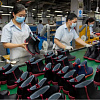 World Footwear Yearbook: Global footwear production reaches 23,9 billion pairs and is back to pre-pandemic levels
The Portuguese association of shoe manufacturers APICCAPS published the 13th edition of the international statistical bulletin World Footwear Yearbook for 2023, according to which in 2022 the production and export of shoes worldwide increased by 7,6% and 9%, respectively, and the world production of shoes reached 23,9 billion couples and returned to pre-pandemic levels.
World Footwear Yearbook: Global footwear production reaches 23,9 billion pairs and is back to pre-pandemic levels
The Portuguese association of shoe manufacturers APICCAPS published the 13th edition of the international statistical bulletin World Footwear Yearbook for 2023, according to which in 2022 the production and export of shoes worldwide increased by 7,6% and 9%, respectively, and the world production of shoes reached 23,9 billion couples and returned to pre-pandemic levels.
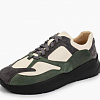 Rostov footwear brand Novak presented a collection of sneakers and sneakers
In the spring-summer 2023 season, the Rostov-on-Don shoe brand Novak presented a cute collection of sneakers and sneakers for every day. The upper of the shoe is made of genuine leather, suede, nubuck, the sole is made of light EVA.
Rostov footwear brand Novak presented a collection of sneakers and sneakers
In the spring-summer 2023 season, the Rostov-on-Don shoe brand Novak presented a cute collection of sneakers and sneakers for every day. The upper of the shoe is made of genuine leather, suede, nubuck, the sole is made of light EVA.
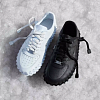 Jacquemus x Nike collaboration released
The second collaboration between Jacquemus and Nike, which has been talked about so much, is finally out. The appearance of the couple for many was a surprise. The model of Nike Air Force 1 sneakers, which was taken as the basis of the new collection, has undergone significant changes.
Jacquemus x Nike collaboration released
The second collaboration between Jacquemus and Nike, which has been talked about so much, is finally out. The appearance of the couple for many was a surprise. The model of Nike Air Force 1 sneakers, which was taken as the basis of the new collection, has undergone significant changes.
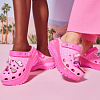 Crocs releases a collaboration with Barbie
If Barbie ditched heels and wore crocs, they would be pink. It was this collection in pink that was released by the American brand of plastic clogs Crocs, for the release of the film "Barbie" in the United States.
Crocs releases a collaboration with Barbie
If Barbie ditched heels and wore crocs, they would be pink. It was this collection in pink that was released by the American brand of plastic clogs Crocs, for the release of the film "Barbie" in the United States.
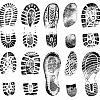 Shoe educational program: what shoe soles are made of
“What is the difference between TEP and EVA? What does tunit promise me? Is PVC glue? What is the sole of these shoes made of? ”- the modern buyer wants to know everything. In order not to smash his face in front of him and be able to explain whether such a sole suits him in soles, carefully read this article. In it, process engineer Igor Okorokov tells what materials the soles of shoes are made of and what makes each of them so good.
Shoe educational program: what shoe soles are made of
“What is the difference between TEP and EVA? What does tunit promise me? Is PVC glue? What is the sole of these shoes made of? ”- the modern buyer wants to know everything. In order not to smash his face in front of him and be able to explain whether such a sole suits him in soles, carefully read this article. In it, process engineer Igor Okorokov tells what materials the soles of shoes are made of and what makes each of them so good.
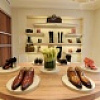 How to set prices that will earn
Some businessmen still confuse the concept of margin with the concept of trade margins and set prices for their goods, guided solely by the example of competitors. No wonder they go broke! Analyst at the Academy of Retail Technologies Maxim Gorshkov gives several tips and formulas with which you can set not only ruinous, but also profitable prices.
How to set prices that will earn
Some businessmen still confuse the concept of margin with the concept of trade margins and set prices for their goods, guided solely by the example of competitors. No wonder they go broke! Analyst at the Academy of Retail Technologies Maxim Gorshkov gives several tips and formulas with which you can set not only ruinous, but also profitable prices.
 Sales of shoes and accessories: effective techniques for business rhetoric
Which speech modules are effective in communicating with potential and current customers of shoe stores, and which are not, Anna Bocharova, a business consultant, knows.
Sales of shoes and accessories: effective techniques for business rhetoric
Which speech modules are effective in communicating with potential and current customers of shoe stores, and which are not, Anna Bocharova, a business consultant, knows.
 We form the salary of sellers: expert advice
“How do you charge your consultants for personal or general sales?” Is one of the most popular questions causing a lot of controversy and gossip on the online forums of retail business owners. Indeed, how to properly form the earnings of sellers? But what about bonuses, where to get a sales plan from, do employees allow them to buy goods at discounted stores? In search of truth, the Shoes Report turned to a dozen shoe retailers, but no company wanted to disclose its motivation system - the process of its development was too complicated and individual. Then we asked four business consultants, and finally became convinced that the topic of seller motivation is very complex, because even our experts could not come to a common opinion.
We form the salary of sellers: expert advice
“How do you charge your consultants for personal or general sales?” Is one of the most popular questions causing a lot of controversy and gossip on the online forums of retail business owners. Indeed, how to properly form the earnings of sellers? But what about bonuses, where to get a sales plan from, do employees allow them to buy goods at discounted stores? In search of truth, the Shoes Report turned to a dozen shoe retailers, but no company wanted to disclose its motivation system - the process of its development was too complicated and individual. Then we asked four business consultants, and finally became convinced that the topic of seller motivation is very complex, because even our experts could not come to a common opinion.
 Technology Selling Issues
There is nothing worse than meeting the buyer with the words “Hello, can I help you with something?”, Because the seller works in the store just to help. Criticizing this well-established pattern of communication with the buyer, Andrei Chirkarev, business coach for effective sales and the founder of the New Economy project, shares the technology of truly selling issues with readers of Shoes Report.
Technology Selling Issues
There is nothing worse than meeting the buyer with the words “Hello, can I help you with something?”, Because the seller works in the store just to help. Criticizing this well-established pattern of communication with the buyer, Andrei Chirkarev, business coach for effective sales and the founder of the New Economy project, shares the technology of truly selling issues with readers of Shoes Report.
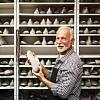 The whole truth about Bayer. Who is he and how to become one?
Bayer is no longer a new, but still a popular and sought-after profession. It’s fashionable to be a buyer. Buyers are at the origins of the emergence and development of trends. If the designer offers his vision of fashion in the season, then the buyer selects the most interesting commercial ideas. It is on buyers that the policy of sales of stores and what, in the end, the buyer will wear depends on. This profession is surrounded by a magical fleur, often associated with a lack of understanding of what exactly is the work of a buyer.
The whole truth about Bayer. Who is he and how to become one?
Bayer is no longer a new, but still a popular and sought-after profession. It’s fashionable to be a buyer. Buyers are at the origins of the emergence and development of trends. If the designer offers his vision of fashion in the season, then the buyer selects the most interesting commercial ideas. It is on buyers that the policy of sales of stores and what, in the end, the buyer will wear depends on. This profession is surrounded by a magical fleur, often associated with a lack of understanding of what exactly is the work of a buyer.
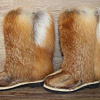 Fur, and not only: types of lining
In the production of winter footwear, various materials are used that are designed to retain heat and meet the requirements of consumers: natural sheepleather, artificial fur, artificial fur from natural wool and others. All types of lining fur have their own advantages and disadvantages. Let's consider the properties of each of them.
Fur, and not only: types of lining
In the production of winter footwear, various materials are used that are designed to retain heat and meet the requirements of consumers: natural sheepleather, artificial fur, artificial fur from natural wool and others. All types of lining fur have their own advantages and disadvantages. Let's consider the properties of each of them.
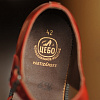 The best models of Czech shoes of the past
In Soviet times, for shoes from Czechoslovakia sold under the Cebo brand, customers stood in line for four hours and did not regret it, because Czech shoes were considered to be of high quality, comfortable and fashionable. Shoe designer Juraj Shushka shared a photo archive of his collection with Shoes Report magazine, which contains the most interesting Cebo models from the 1940's to the 1980's.
The best models of Czech shoes of the past
In Soviet times, for shoes from Czechoslovakia sold under the Cebo brand, customers stood in line for four hours and did not regret it, because Czech shoes were considered to be of high quality, comfortable and fashionable. Shoe designer Juraj Shushka shared a photo archive of his collection with Shoes Report magazine, which contains the most interesting Cebo models from the 1940's to the 1980's.
 Retail Arithmetic
Before you begin to solve specific problems, you need to find out how accurately all the leaders of your company understand the basic terminology of retail.
Retail Arithmetic
Before you begin to solve specific problems, you need to find out how accurately all the leaders of your company understand the basic terminology of retail.
 How to fire a worker without tears, scandal and trial
Sooner or later, any manager is faced with the need to part with an employee. Properly and on time the dismissal procedure will save the company money, and the boss himself - nerves and time. But why sometimes, knowing that a break in relations is inevitable, we put off the decision for months?
How to fire a worker without tears, scandal and trial
Sooner or later, any manager is faced with the need to part with an employee. Properly and on time the dismissal procedure will save the company money, and the boss himself - nerves and time. But why sometimes, knowing that a break in relations is inevitable, we put off the decision for months?